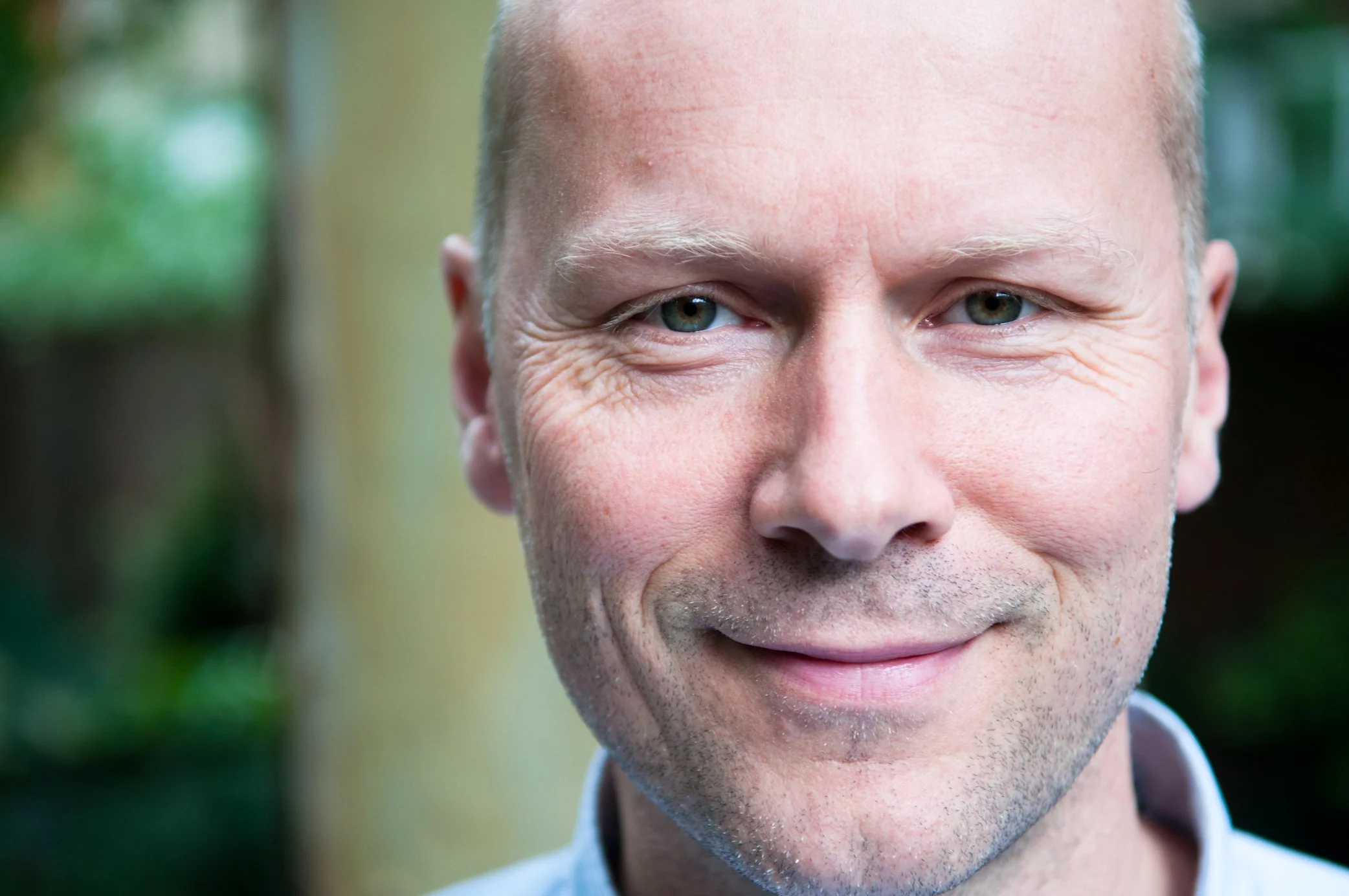
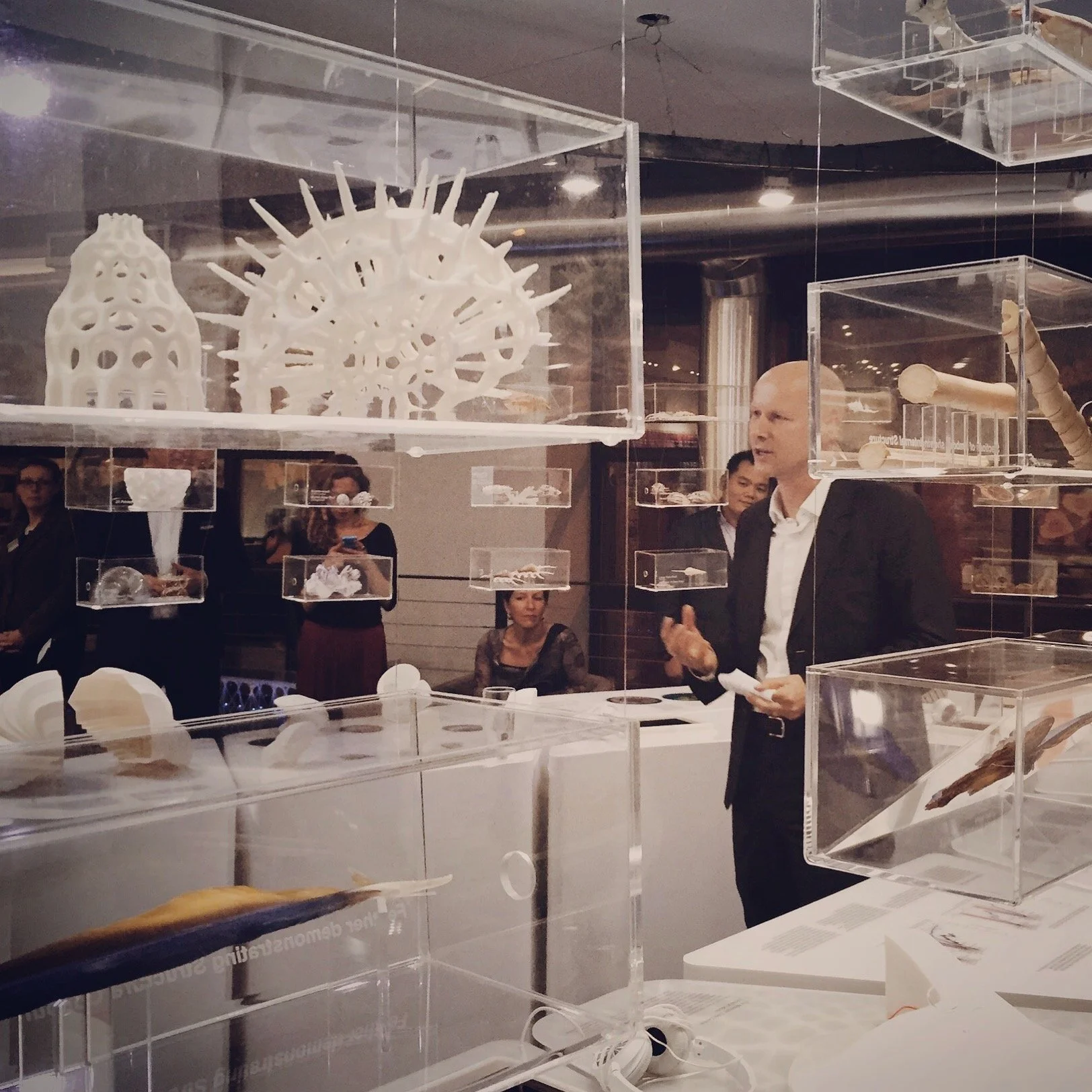
Michael Pawlyn is an architect and design innovator who takes cues from nature to make new, sustainable environments. He has been described as an expert in regenerative design and biomimicry.
Michael established his firm, Exploration Architecture, in 2007 to focus on high performance buildings and solutions for the circular economy. The company has developed a ground-breaking office project, an ultra-low energy data centre, a zero waste textiles factory and progressive solutions for green cities.
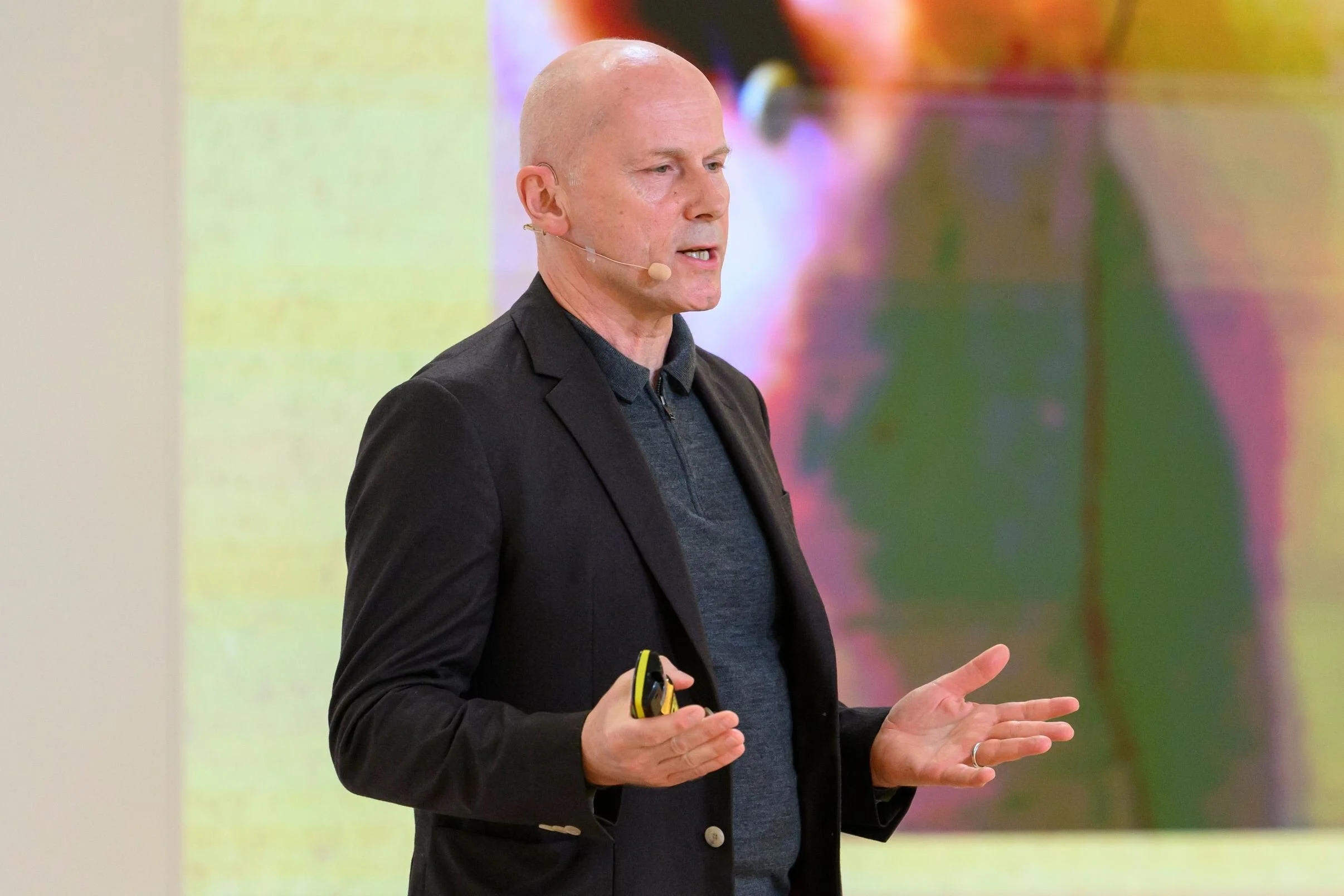
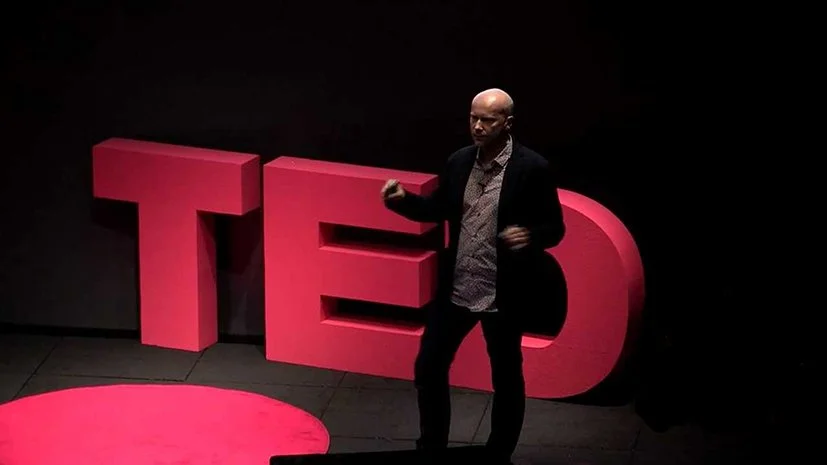
Prior to setting up Exploration, he worked with Grimshaw for ten years and was central to the team that designed the Eden Project. He is regularly booked as a keynote speaker on innovation and his TED talk has had over 2 million views.
Michael jointly initiated the widely acclaimed Sahara Forest Project; the latest version of which was opened by the King of Jordan in 2017. In 2019 he co-initiated ‘Architects Declare a Climate & Biodiversity Emergency’ which has spread internationally with over 7,000 companies signed up to addressing the planetary crisis.
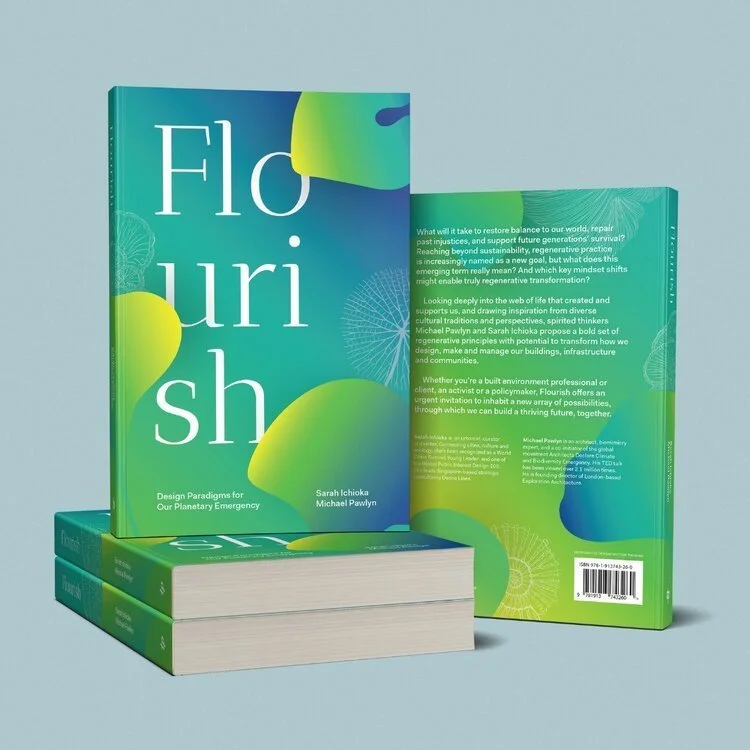
Since 2018, he has been increasingly providing advice to national governments and large companies on transformative change. His book ‘Biomimicry in Architecture‘ has been RIBA Publications’ best-selling title. His book, titled ‘Flourish: Design Paradigms for Our Planetary Emergency‘, co-authored with Sarah Ichioka, was published by Triarchy Press in December 2021.
Visionary innovator in sustainable design
Bestselling author
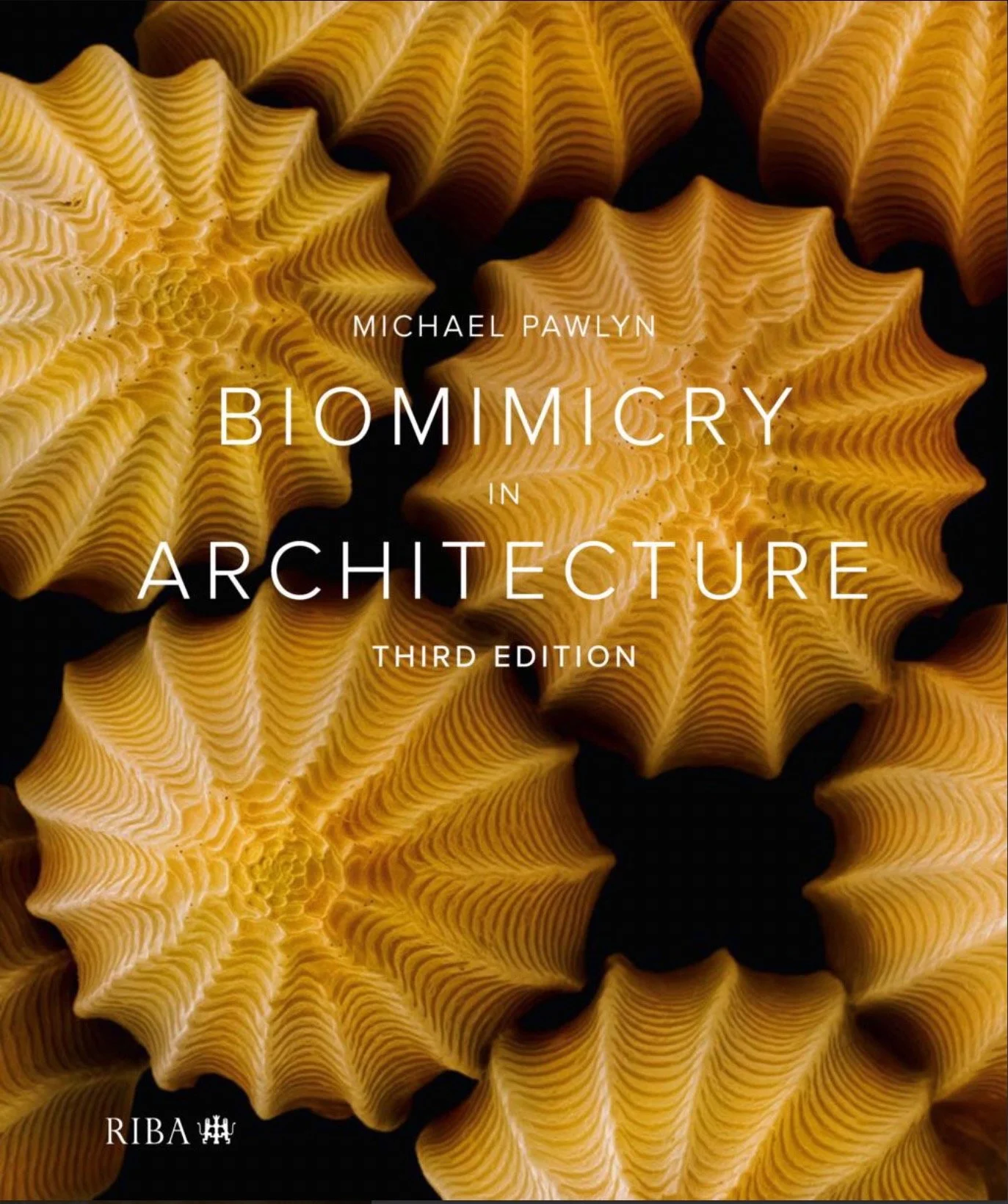
Biomimicry In Architecture
Regenerative design requires transformative approaches. Biomimicry provides a perspective that radically rethinks architecture, from the materials we use to the cities and systems we create. Biomimicry harnesses not just natural beauty but the remarkable array of adaptations that species have perfected over millennia. With the climate crisis escalating, biomimicry is no longer just an inspiration, it is an imperative. It recognises that 'we are nature' and rather than viewing the living world as separate to us - to be plundered for resources and pollution - we are intrinsic to it.
While industries such as manufacturing, transportation and product design have embraced biomimicry as a driver of sustainability, architecture has yet to unlock its full potential. This must change. Nature holds the key to designing buildings and systems that can be net positive and show that humans can become responsible stewards of planet Earth. The adaptations that have evolved in the living world can inspire radical, game-changing solutions: self-repairing structures, air-conditioned termite mounds and the extraordinary water-harvesting abilities of a desert beetle. These innovations have been tested through 3.8 billion years of evolution, offering architects the chance to revolutionise the way we build and live.
Biomimicry in Architecture explores how nature's ingenuity can transform everything from structural efficiency and material innovation to water conservation, energy systems, and even the design of entire cities.
Featuring awe-inspiring biological strategies, this book presents urgent, real-world solutions for a sustainable future. Completely rewritten and updated with new content and illustrations, this edition puts forward a transformative case for biomimicry as a discipline that shows how to design as nature and integrate everything we do as humans into the web of life that supports us. The future depends on it.
Flourish
Design Paradigms for Our Planetary Emergency
with Sarah Ichioka
Regenerative design and architecture
What will it take to restore balance to our world, repair past injustices, and support future generations' survival? Reaching beyond 'sustainability', 'regenerative' practice is increasingly named as a new goal, but what does this emerging term really mean?
And which key mindset shifts might enable truly regenerative transformation?
Looking deeply into the web of life that created and supports us, and drawing inspiration from diverse cultural traditions and perspectives, spirited thinkers Michael Pawlyn and Sarah Ichioka propose a bold set of regenerative principles with potential to transform how we design, make and manage our buildings, infrastructure and communities.
Whether you're a built environment professional or client, an activist or a policymaker, Flourish offers an urgent invitation to inhabit a new array of possibilities, through which we can build a thriving future, together.