Michael’s most sought after topics
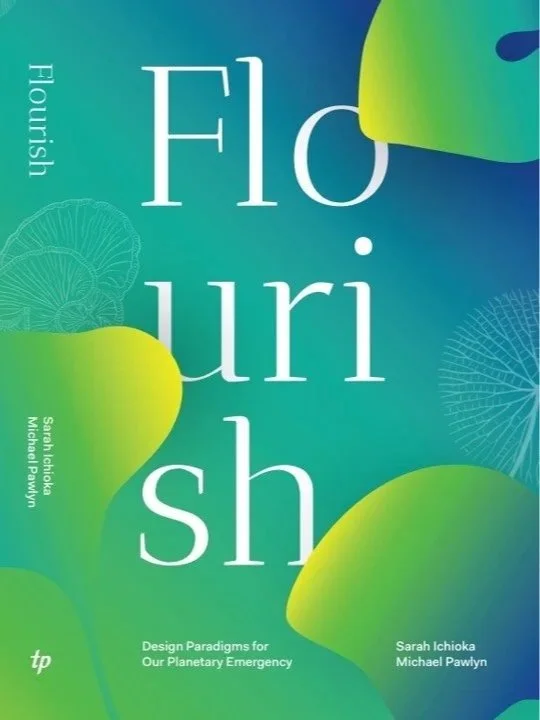
From sustainable to regenerative
Many organisations are now realising that conventional sustainability based on ‘trying to be less bad’ has not delivered the degree of change necessary to meaningfully address environmental concerns.
While there is a lot of discussion about a regenerative approach to the built environment and other industries there is a lack of clarity about what this means and how it is different to sustainability.
Having co-authored a book (Flourish with Sarah Ichioka) about this very subject, Michael has the in-depth knowledge to clarify the philosophical shifts and practical steps involved in working towards regenerative goals.
The benefits for organisations are in being able to demonstrate leadership, higher performance and in attracting the most talented people to join.
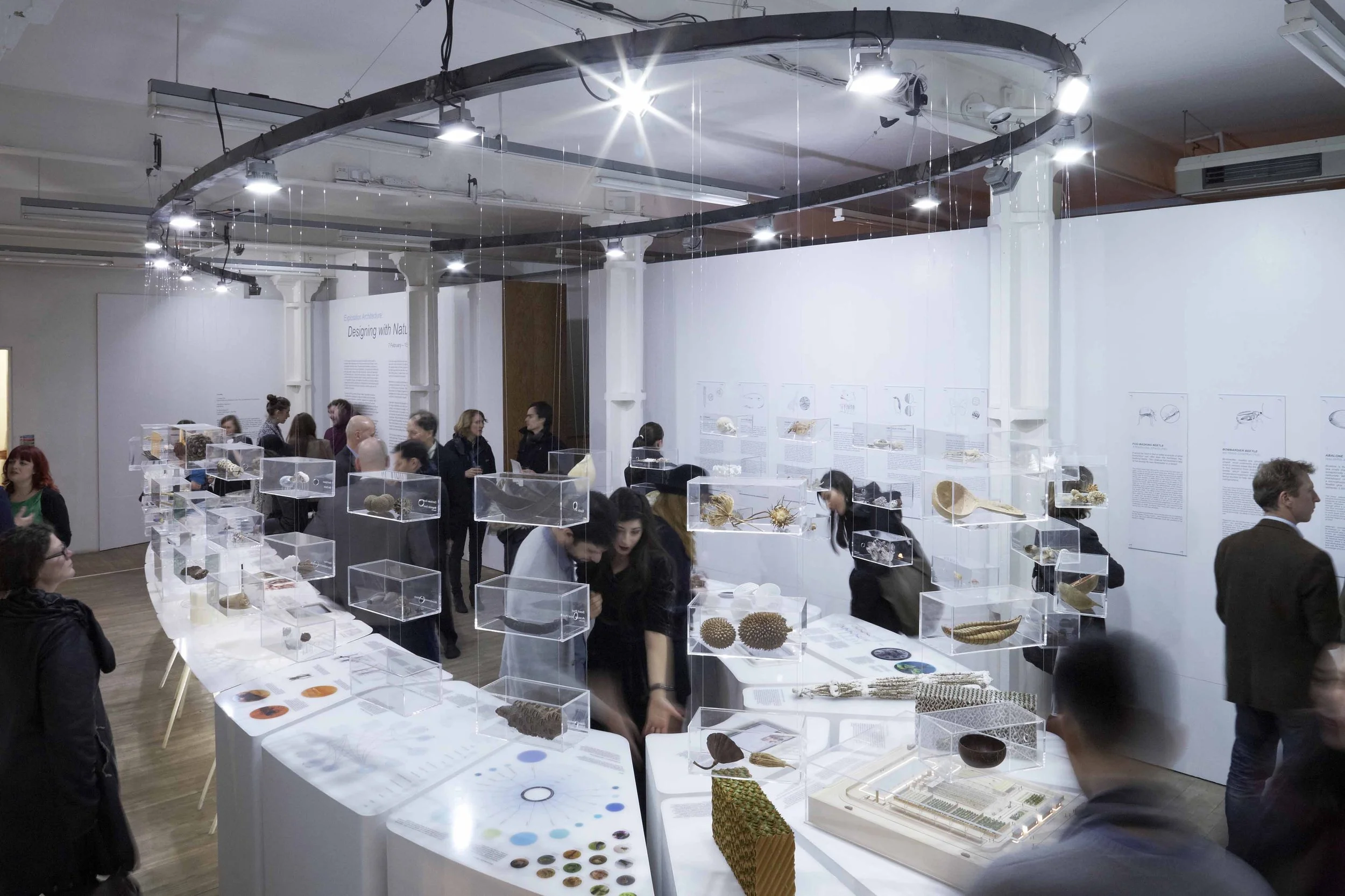

Innovation inspired by nature
One of the most fertile areas for innovative solutions is the remarkable array of adaptations in nature that have developed with the benefit of 3.8 billion years of R&D. This is the essence of biomimicry – a discipline that finds solutions to our nature crisis in nature itself.
The living world has evolved minimum energy processes, high efficiency materials and zero waste systems – all of which we can learn from in rethinking the human-made world.
With a plethora of amazing stories from nature, Michael shows how these can be developed into innovations that deliver higher performance for lower long-term cost. His keynote on this topic also includes other nature-based solutions and approaches such as biophilia.
How to lead in the circular economy
Expectations and regulations will continue to demand more of companies in shifting from linear and wasteful ways of operating towards circular, zero waste stewardship of products and resources.
One of the biggest, and most under-explored, opportunities in the circular economy is in bringing together cycles of energy, water, food and materials in synergistic ways.
Michael’s keynote describes how essential lessons from ecosystems can be applied to cities, buildings and industries. Drawing on a range of proven examples, he will show how companies can demonstrate leadership in the circular economy and deliver a range of secondary benefits such as enhanced biodiversity and a whole new sector of the economy which could be called ‘waste entrepreneurs’.